Lagos Targets 6,000MW Power Generation, Courts Investors to Drive Energy Reform
5 months ago 0
Speaking during a plenary session on Energy and Sustainability at Invest Lagos 3.0, the Permanent Secretary of the Lagos State Ministry of Commerce, Cooperatives, Trade and Investment, Babatunde Onigbanjo, who represented the Commissioner for Energy and Mineral Resources, Biodun Ogunleye, said recent reforms have positioned the state to take greater control of its electricity market.
According to him, Lagos, with an estimated Gross Domestic Product of N73 trillion, equivalent to about $259bn, contributes roughly 30 per cent of Nigeria’s GDP and currently receives about 40 per cent of the nation’s grid power generation.
He explained that the Federal Electricity Act and the Lagos State electricity reform framework have empowered the state to establish and regulate its own electricity market.
To drive the reform, Onigbanjo said Lagos has established three key institutions: the Lagos State Electricity Regulatory Agency, the Lagos Independent System Operator and the Lagos State Electricity Agency.
He added that the state had also developed an Integrated Resource Planning document and a Strategic Implementation Plan to guide the sector’s development.
“The three agencies have started engaging investors. We have about 40 investors that were recently approved by Governor Babajide Sanwo-Olu, and discussions are ongoing with them,” he said.
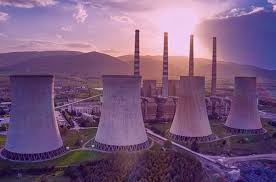
According to him, Lagos is targeting the generation of 6,000MW of electricity in the coming years as part of efforts to improve power supply, stimulate economic activities and enhance service delivery.
“The reform is designed to promote competition, innovation and accountability. Ultimately, this will translate into improved electricity supply and economic growth,” he added.
Onigbanjo further disclosed that the government was exploring ways of harnessing excess generation capacity from private companies and feeding it into the grid to boost supply.
Also speaking, a representative of the Commissioner for Energy and Mineral Resources, Engr. Balogun Olubanjo, said Lagos was leveraging ongoing reforms to establish energy hubs across different parts of the state to expand access to alternative power sources.
“Our goals are clear: unlock power, attract investment and ensure energy security for Lagos residents and businesses,” he stated.
Chairman of the Presidential Initiative on Compressed Natural Gas and Electric Vehicles, Barrister Ismaeel Ahmed, highlighted the growing adoption of cleaner transportation technologies, noting that electric vehicles and CNG-powered vehicles represented a major opportunity for Nigeria.
Ahmed revealed that four out of every 10 vehicles entering Nigeria were electric vehicles, underscoring increasing demand for alternative energy solutions.
He said President Bola Tinubu’s decision to promote CNG was driven by the need for a sustainable and productive alternative to fuel subsidies.
“Nigeria has over 200 trillion cubic feet of proven natural gas reserves. We should be using our abundant gas resources to power transportation instead of exposing our economy to global oil price volatility,” he said.
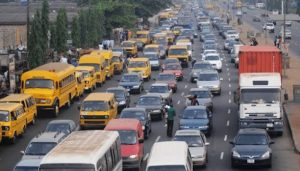
Ahmed noted that Lagos remains central to the initiative, with about 1.2 million registered vehicles, representing roughly nine per cent of Nigeria’s total registered vehicles.
He disclosed that about 200,000 CNG-powered vehicles currently operate nationwide, with a target to increase the figure to 1.2 million vehicles.
According to him, many heavy-duty trucks serving Nigeria’s ports and major manufacturers are already running on CNG, demonstrating the viability of the technology.
“The future is in alternative fuels. CNG and electric vehicles can make transportation cleaner, cheaper and more sustainable,” he added.
Group Managing Director of Sahara Group, Kola Adesina, stressed the importance of reliable electricity supply for industrialisation and economic competitiveness.
He argued that Nigeria must prioritise power supply to industrial and manufacturing clusters to drive production, create jobs and boost exports.
Adesina noted that many industrial estates established decades ago have declined due to inadequate infrastructure and unreliable electricity, leading to reduced productivity and the relocation of businesses.
He called for strategic planning that would guarantee uninterrupted power supply to industrial zones while improving overall electricity access for residential consumers.
“For Nigeria to become globally competitive, businesses must have access to reliable and affordable electricity. Power remains one of the most critical factors influencing investment decisions,” he said.
Also speaking, Director of Partnerships and Policy at Africa Specialty Risks, Alexander Milne, urged governments and investors to work together to bridge the gap between perceived and actual investment risks in Africa.
Milne said the continent’s strong economic fundamentals and growing demand for infrastructure present significant opportunities for investors, particularly in energy.
He emphasised the role of public-private partnerships in mobilising capital and supporting large-scale projects.
According to him, early engagement between governments, investors and risk management institutions would be critical in attracting financing for emerging technologies and energy infrastructure.
“Investors need a clear understanding of the risks and opportunities. Strong partnerships between the public and private sectors can help unlock capital and accelerate development,” he said.
The discussions formed part of Invest Lagos 3.0, a platform aimed at showcasing investment opportunities and positioning Lagos as Africa’s leading business and investment destination.