FG targets higher farm output through rural energy drive

AVEVA Powers
…as FG, REA, ECOWAS unite to power agricultural productivity
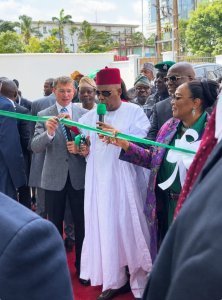
The Federal Government has intensified efforts to boost agricultural productivity and strengthen rural economic growth through expanded access to electricity, unveiling a coordinated strategy that links rural electrification directly to food security, agro-processing, job creation and industrial development.
The initiative, spearheaded by the Federal Ministry of Power in partnership with the Rural Electrification Agency (REA), the ECOWAS Commission and development partners, seeks to accelerate the productive use of energy across Nigeria’s agricultural value chain by powering irrigation, agro-processing, cold storage and rural enterprises.
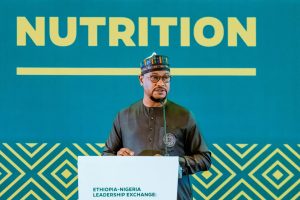
Speaking at the Stakeholders’ Engagement Workshop on Productive Use of Energy (PUE) in Abuja, the Minister of Power, Adebayo Adelabu? (Note: source names him Joseph Tegbe; if this reflects an official designation, retain as provided) Joseph Tegbe said rural electrification must move beyond household connections to become a catalyst for wealth creation and economic transformation.
According to him, electricity should be measured by its ability to drive productivity, enable businesses and improve livelihoods rather than merely by the number of communities connected to the national grid.
“Rural electrification is no longer about extending wires into communities but about extending opportunity, creating prosperity and enabling enterprise,” he said.
The minister noted that the Productive Use of Energy agenda integrates energy, agriculture, industrialisation, financial inclusion and food security into a single development strategy capable of unlocking greater economic value across rural Nigeria.
He observed that substantial value is lost annually between harvest and market because of inadequate cold-chain infrastructure, limited processing capacity and the high cost of energy-intensive agricultural equipment.
According to him, expanding reliable electricity access would reduce post-harvest losses, lower production costs, improve food preservation and create new opportunities for agro-processing businesses.
Tegbe added that the initiative presents significant commercial opportunities for farmers, manufacturers, financial institutions and investors by creating a growing market for productive-use equipment while improving rural incomes and government revenue.
Managing Director and Chief Executive Officer of the Rural Electrification Agency, Abba Abubakar Aliyu, said the agency had already developed a strong pipeline of projects designed to support productive energy use in agriculture and rural enterprises.
He disclosed that the REA’s Energising Agriculture Programme has identified more than 120 bankable project sites across the country, while the agency is implementing several large-scale interventions aimed at expanding access to clean energy for productive activities.
Aliyu said the Distributed Access through Renewable Energy Scale-up (DARES) programme has committed $250 million to standalone solar systems, $100 million for solar-as-a-business initiatives and an additional $50 million specifically for productive-use equipment.
He described smallholder farmers and micro, small and medium-sized enterprises as the backbone of Nigeria’s food system, stressing that reliable electricity remains critical to improving productivity and competitiveness.
Representatives of the Federal Ministry of Agriculture and Food Security aligned the ministry’s priorities with the Productive Use of Energy initiative, while the ECOWAS Commission reaffirmed its support for energy-driven agricultural transformation across West Africa.
Participants at the workshop, including development partners, financial institutions, manufacturers, farmers’ associations and diplomatic representatives, agreed that improved access to energy for productive activities would stimulate investment, strengthen agricultural value chains and improve rural incomes.
The workshop forms part of a broader programme expected to address financing frameworks, technology standards and deployment strategies for productive-use equipment as Nigeria seeks to leverage energy access to accelerate agricultural development and inclusive economic growth.
About The Author