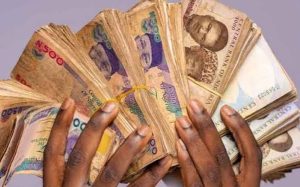
Petrol tops N1,400 as $100 oil deepens cost-of-living squeeze
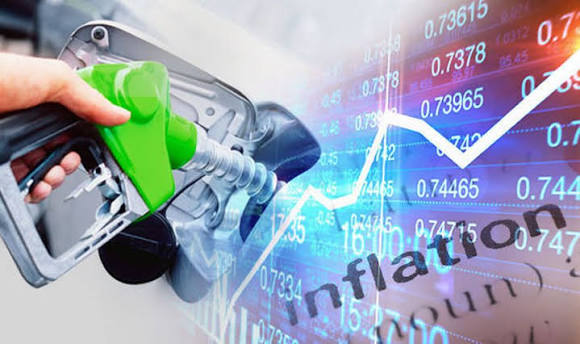
The price of Premium Motor Spirit (PMS) has climbed above N1,400 per litre in major Nigerian cities, deepening pressure on household incomes, transport costs and business expenses as international crude oil prices remain above $100 a barrel.
Checks across the market showed that petrol was selling for between N1,400 and N1,430 per litre at several filling stations in Lagos, while some Abuja outlets were dispensing the product at as much as N1,450 per litre.
The latest increase follows a fresh jump in international oil prices and a corresponding rise in domestic petrol costs. Brent crude climbed above $100 per barrel, reaching about $107 earlier in the week, amid worsening supply disruptions linked to the Middle East conflict and concerns over crude flows through the Strait of Hormuz.
The immediate concern for Nigerians is the speed at which higher energy costs feed into the broader economy.
Transport operators face higher fuel bills, while manufacturers, traders, farmers, logistics companies and other businesses that depend on petrol-powered vehicles and generators are likely to pass part of the increase to consumers.
For households, the impact is direct. A family buying just 50 litres of petrol in a month would now spend about N70,000 to N72,500 at prevailing prices of N1,400-N1,450 per litre, effectively consuming the equivalent of the N70,000 monthly minimum wage before food, rent, electricity, healthcare or other expenses are considered.
The latest pump-price pressure is also coming after a fresh increase in refinery prices. Dangote Petroleum Refinery raised its PMS gantry price from N1,265 to N1,350 per litre, an N85 or 6.7 per cent increase, putting additional pressure on marketers and other downstream operators.
The higher fuel cost is likely to feed quickly into transportation and distribution charges. For food markets, the impact could be particularly severe as higher petrol and diesel costs raise the cost of moving farm produce, raw materials and finished goods across states.
Small businesses are equally exposed. Enterprises that rely on generators, motorcycles, cars and delivery vans have little room to absorb another increase in energy costs, particularly when household purchasing power is already under pressure.
The Centre for the Promotion of Private Enterprise (CPPE) has consequently urged the Federal Government to introduce targeted relief measures for vulnerable households and businesses rather than restore the universal petrol subsidy.
In a policy brief issued on Sunday, CPPE Chief Executive Officer, Muda Yusuf, said the increase from about N1,300 to N1,430 per litre had created a serious cost-of-living, inflation and competitiveness challenge that required urgent intervention.
Yusuf said government should prioritise mass transit, affordable public transportation, rail freight and logistics infrastructure to reduce the cost of moving people and goods. He also called for faster deployment of compressed natural gas, solar and other distributed energy solutions to reduce dependence on petrol-powered energy.
He said support should be directed at vulnerable households and productive businesses, particularly micro, small and medium-sized enterprises facing rising energy, logistics and financing costs.
According to him, returning to the pre-reform universal subsidy regime would be fiscally unsustainable and risk reversing the gains of the downstream petroleum reforms.
The more important issue, Yusuf argued, was how governments at all levels deploy the additional fiscal resources generated by subsidy removal.
“Citizens must see tangible benefits through improved public transportation, electricity, healthcare, education, food security, infrastructure and social protection,” he said.
The CPPE position adds a policy dimension to the latest fuel shock: while deregulation has transferred pricing to market forces, the wider economy still requires mechanisms to protect purchasing power and productive activity from sudden energy-cost increases.
The Nigerian Midstream and Downstream Petroleum Regulatory Authority has said petrol pricing is fully deregulated, with crude acquisition costs, exchange rates, logistics, transportation and the timing of crude procurement influencing pump prices.
With Brent crude still above $100 and global supply risks unresolved, the prospect of petrol moving towards N1,500 per litre is becoming a growing economic concern. Any further increase would raise transportation and production costs, put additional pressure on food prices and squeeze disposable incomes, making targeted relief and productive investment increasingly important to the sustainability of the fuel-price reform.
About The Author