Nigeria meets OPEC quota, but misses 1.84mbpd budget target
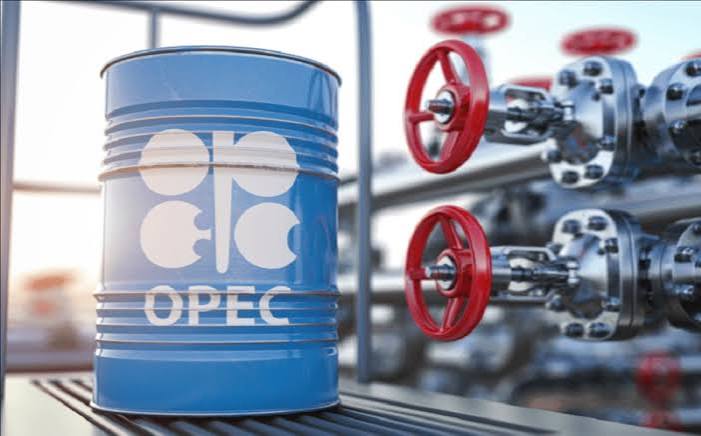
Nigeria has met its Organisation of Petroleum Exporting Countries (OPEC) crude production quota for three consecutive months but continues to fall short of the 1.84 million barrels per day (bpd) oil production assumption underpinning the 2026 Federal Government budget, exposing the country to persistent fiscal and foreign exchange pressures.
Crude oil production averaged 1.505 million bpd in July 2026, slightly above Nigeria’s 1.50 million bpd OPEC quota, according to the latest figures from the Nigerian Upstream Petroleum Regulatory Commission (NUPRC).
However, when condensates are included, Nigeria’s total liquids production stood at about 1.67 million bpd, leaving an estimated 170,000 bpd gap against the budget benchmark.
The divergence has persisted despite the improvement in production recorded during the year. Nigeria exceeded its OPEC quota in May, June and July, but remained below the higher production level used by the government to underpin its 2026 fiscal projections.
The difference is economically significant because the budget’s oil production assumption determines part of the revenue and foreign exchange inflows expected by the government.
When actual production remains below the budget benchmark, fewer barrels are available for sale, reducing potential oil earnings and the royalties, petroleum taxes and other upstream revenues accruing to government.
The resulting shortfall can also weaken the flow of dollars into the economy, putting additional pressure on the naira and making foreign exchange management more difficult.
For the Federation Account, lower oil output means potentially weaker receipts available for distribution to the Federal Government, states and local governments, thereby increasing pressure on public finances.
The fiscal impact can become more pronounced when lower oil revenue coincides with fixed or rising government expenditure. Any resulting budget deficit must be financed through borrowing or other funding sources, adding to an already significant debt burden.
Higher borrowing, in turn, increases debt-service obligations and can leave a larger share of government revenue committed to interest and principal repayments instead of infrastructure, healthcare, education and other development priorities.
The production gap therefore extends beyond the oil sector, affecting the exchange rate, government revenue, borrowing requirements and the amount of fiscal space available for public investment.
The persistent difference between the budget assumption and actual output also raises questions about the credibility of Nigeria’s fiscal planning, particularly when government spending commitments are based on production levels that have not yet been consistently achieved.
One option would be for the government to adopt a more conservative oil production assumption and align expenditure and borrowing plans with a more realistic revenue outlook.
Such an adjustment, however, could be difficult in a political environment where pressure for higher public spending remains strong.
The alternative is to accelerate measures capable of lifting production towards the 1.84 million bpd budget benchmark by addressing operational constraints, security challenges and other factors that continue to disrupt upstream output.
But the longer-term solution remains reducing the economy’s dependence on crude oil by expanding non-oil production, broadening the tax base and creating more private-sector jobs.
Stronger infrastructure, improved security, more predictable policies and easier business conditions would be critical to increasing productivity and generating a more stable stream of non-oil revenue.
Until Nigeria can either sustain oil production close to the budget benchmark or generate enough non-oil revenue to compensate for the shortfall, the pressure on the naira, government finances and debt position is likely to remain.
About The Author