Inflation falls to 15.43% as food prices accelerate
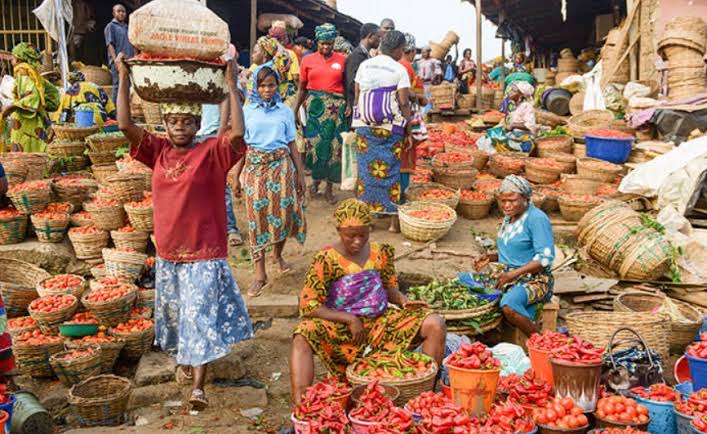
Nigeria’s headline inflation rate eased to 15.43 per cent in July 2026 from 15.91 per cent in June, but faster food-price increases continued to put pressure on household budgets, with food inflation rising to 20.31 per cent year-on-year and 5.56 per cent month-on-month.
The National Bureau of Statistics (NBS), in its Consumer Price Index report released on Monday, said the headline rate declined by 0.48 percentage points from the June level.
On a month-on-month basis, headline inflation also slowed to 1.57 per cent in July, from 1.66 per cent in June, indicating that the pace of overall price increases moderated during the month.
The moderation in headline inflation, however, masked a renewed acceleration in food prices, which remain a major source of pressure on consumers.
The NBS said food inflation rose to 20.31 per cent year-on-year in July, although this remained below the 26.20 per cent recorded in July 2025.
On a month-on-month basis, however, food inflation jumped to 5.56 per cent from 3.75 per cent, an increase of 1.82 percentage points.
The bureau attributed the increase to changes in the prices of commodities including crayfish, fresh pepper, onions, carrots, rice, water yam, tomatoes, garri, plantain, beef, eggs, guinea corn, ginger and plantain flour.
The divergence between falling headline inflation and rising monthly food inflation suggests that while the broader pace of price increases is moderating, households continue to face significant pressure from food costs.
Food inflation was particularly elevated in several states.
On a month-on-month basis, Adamawa recorded the highest food inflation at 17.02 per cent, followed by Lagos at 13.48 per cent and Borno at 13.26 per cent.
By contrast, Jigawa recorded a 3.68 per cent decline, Kebbi fell 3.67 per cent and Bauchi declined 1.85 per cent.
On a year-on-year basis, food inflation was highest in Adamawa at 51.36 per cent, followed by Katsina at 30.84 per cent and Zamfara at 30.65 per cent.
Borno recorded the slowest year-on-year food-price increase at 0.31 per cent in negative territory, followed by Nasarawa at 6.88 per cent and Kebbi at 12.50 per cent.
The latest inflation figures provide some evidence of easing price pressure at the headline level, but the sharp monthly increase in food inflation remains a key concern for households and policymakers.
For the economy, the trajectory of food prices will remain critical to the sustainability of the broader disinflation trend, particularly as food costs have a direct impact on household purchasing power and living standards.
About The Author