Petrol stays above N1,300 as cross-border price gap fuels smuggling-Dangote
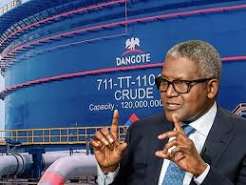
The wide price gap between Nigeria and neighbouring countries is sustaining petrol smuggling and contributing to elevated pump prices despite growing domestic refining capacity, President of Dangote Industries Limited, Aliko Dangote, has said.
Dangote said petrol prices in neighbouring countries are typically 30 to 50 per cent higher than in Nigeria, creating what he described as a powerful incentive for traders to divert products intended for the domestic market across the borders.
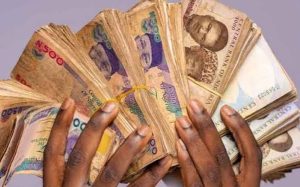
Speaking in an interview aired on Arise TV, he said that even when petrol sells for about N1,350 per litre in Nigeria, the same product can command 20 to 25 per cent more in Niger, making cross-border diversion highly profitable.
According to him, the price differential creates an immediate arbitrage opportunity that legitimate businesses would struggle to match.
He explained that petrol loaded for distribution to northern Nigerian markets could be diverted towards border communities such as Ilela and sold to buyers in neighbouring countries, where consumers are willing to pay significantly more.
The continued movement of petrol across Nigeria’s borders has broader implications for the domestic market because every litre diverted reduces the volume available for local consumption and adds pressure to the formal supply chain.
The development also complicates the impact of Nigeria’s growing refining capacity. Rather than allowing additional domestic production to fully translate into greater local supply and price stability, cross-border demand can draw part of the product away from the Nigerian market.
Dangote also warned that the ongoing Middle East crisis could create further risks for the downstream petroleum industry, although he said the more immediate global concern was the availability of petroleum products rather than simply higher crude oil prices.
He nevertheless assured Nigerians that his refinery would continue supplying the domestic market and would work to prevent shortages.
“We will deliver to Nigeria,” he said, assuring consumers that his refinery would maintain supplies and that there would be no fuel queues or shortages from its end.
His comments come as petrol prices remain above N1,300 per litre in many parts of the country, placing continued pressure on household transport budgets and the operating costs of businesses, manufacturers and logistics operators.
Higher petrol costs also feed into the wider economy by raising the cost of moving food and other goods between states, increasing delivery expenses and putting additional pressure on consumer prices.
Dangote’s remarks came a day after the opening of the Dangote Petroleum Refinery’s N2.15 trillion initial public offering on the Nigerian Exchange.
The offer comprises 4.1 billion ordinary shares priced at N525 each, allowing investors to take direct ownership in one of the largest industrial assets in Nigeria.
The simultaneous focus on the refinery’s public offering and petrol supply highlights the refinery’s growing importance to Nigeria’s energy and capital markets. Its ability to sustain domestic supply, limit shortages and support a more predictable downstream market will remain critical to the wider economy as Nigeria seeks to reduce its dependence on imported refined petroleum products.
About The Author