Adesina urges shift to growth as Nigeria faces next reform test
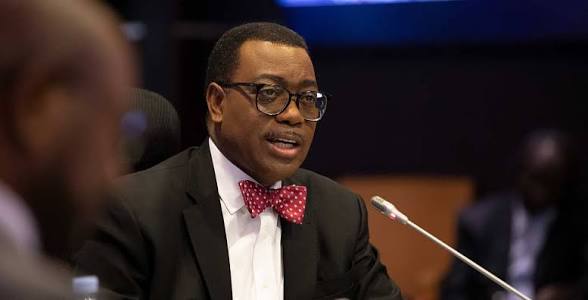
Nigeria must turn gains from economic stabilisation into stronger production, investment and job creation, former African Development Bank (AfDB) President Akinwumi Adesina has said, identifying structural transformation as the next critical test of the country’s economic reforms.
Adesina made the case after meeting President Bola Tinubu at the Presidential Villa, Abuja, on Tuesday, where he offered to support Nigeria’s development following the end of his 10-year tenure at the continental development finance institution.
His intervention comes as Nigeria records stronger economic growth and improved external indicators, but businesses and households continue to contend with high prices and the cost of operating in the economy.
Nigeria’s real gross domestic product grew by 4.43 per cent year-on-year in the second quarter of 2026, while headline inflation stood at 15.39 per cent in August, according to official data. The figures point to an economy expanding amid persistent pressure on purchasing power, making the conversion of macroeconomic improvements into broader economic gains a central policy challenge.
Adesina said reforms, including the removal of petrol subsidies and the harmonisation of foreign exchange windows, were beginning to improve foreign exchange availability, attract portfolio investors and moderate inflation. However, he cautioned that stabilisation was only the beginning of the work required to deliver sustained growth and prosperity.
“You have to also now move from the issue of the reforms and stabilisation straight into structural transformation and also growth and prosperity,” he said.
The implication for policymakers is that improved currency-market conditions and investor sentiment must translate into greater productive capacity, stronger domestic value chains and more jobs. Without that transition, improvements in financial indicators may not deliver commensurate relief for businesses and consumers.
Adesina disclosed that the AfDB provided about $7 billion in financing to Nigeria between 2015 and 2025, compared with cumulative financing of $11.1 billion since the bank began operations in the country in 1971.
The funding represents about 63 per cent of the bank’s cumulative financing to Nigeria over that period, highlighting the scale of development support mobilised during his tenure.
For Nigeria, the economic value of such financing depends on how effectively funds are channelled into infrastructure, agriculture, industrial development and other projects capable of expanding productive capacity. The priority is to ensure development funding supports investments that raise output, improve competitiveness and create sustainable employment.
Adesina’s experience at the AfDB could be relevant to that effort, particularly as Nigeria seeks capital and technical support for projects requiring long-term financing. He did not announce a specific role or new financing arrangement following the meeting.
He said he was willing to assist the country in any capacity considered useful by the President, stressing that he was not seeking a government appointment.
“I’m back at home, here to help and ready to help. It’s my country. I love my country, and I’m ready to help,” he said.
Adesina also pointed to improved foreign exchange availability, renewed portfolio investment interest and more favourable assessments by rating agencies as signs of changing international perceptions of Nigeria.
He acknowledged, however, that the cost of goods and services remained high despite the downward trend in inflation.
The next phase of reform, he argued, must therefore focus on structural changes capable of sustaining growth and spreading its benefits more widely.
That means moving beyond stabilisation towards an economy that produces more, exports more value-added goods and creates productive employment. The measure of progress will ultimately be whether improved macroeconomic conditions lead to stronger investment, higher household incomes and more competitive Nigerian businesses.
About The Author