Bank CEOs seek stronger public-private collaboration to turn stability into growth
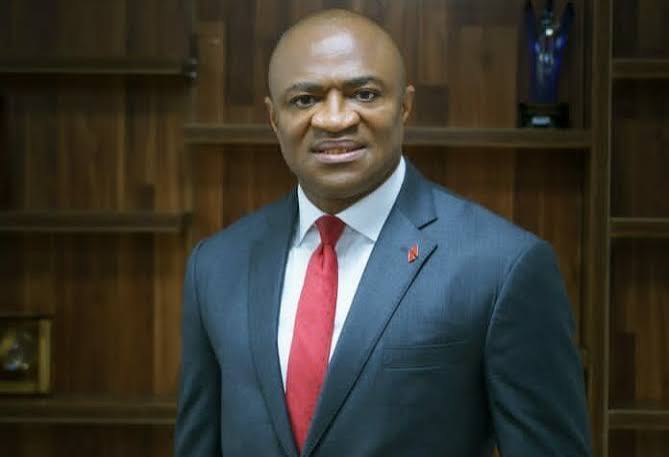
The Body of Bank Chief Executives of Nigeria has called for stronger collaboration between government and the private sector to convert recent macroeconomic stabilisation into broader economic growth, warning that resilience must reach businesses and households rather than remain reflected only in headline indicators.
The chairman of the body, Oliver Alawuba, said Nigeria must deliberately build resilience into its policies, institutions, infrastructure, supply chains, energy systems, financial architecture and human capital to shield the economy from repeated domestic and global shocks.
Alawuba, who is also Group Managing Director of United Bank for Africa, spoke on “Building a Resilient Economy in an Era of Disruptions: Imperatives for the Banking and Financial Services Industry” at the Chartered Institute of Bankers of Nigeria’s 19th Annual Banking and Finance Conference in Abuja.
He said a resilient economy was not one that avoided shocks but one capable of absorbing and adapting to them without transferring the full cost to vulnerable households.
The call comes as the global economy continues to contend with geopolitical conflicts, volatile energy and shipping costs and persistent inflationary pressures, all of which can quickly feed into Nigerian food, transport, production and financing costs.
Alawuba commended the Federal Government and the Central Bank of Nigeria for improved coordination between fiscal and monetary authorities, saying recent gains in key economic indicators represented important milestones in Nigeria’s stabilisation efforts.
But he argued that macroeconomic stability must ultimately translate into improved living standards, stronger businesses and greater investment.
His position comes against the backdrop of the banking sector’s recently completed recapitalisation, which raised fresh capital across the industry and strengthened banks’ capacity to absorb economic shocks. CIBN has separately urged banks to deploy the stronger capital base towards productive sectors, particularly micro, small and medium-sized enterprises, rather than concentrating liquidity in government securities or a narrow group of large companies.
The 19th conference, held September 8-9, focused on building a resilient economy amid global disruption, bringing together policymakers, regulators, bankers, investors and other economic stakeholders.
For Nigerian businesses, the transmission of stability into the real economy remains critical. Lower inflation, a more stable foreign exchange market and stronger financial institutions will have limited impact on investment and employment if companies continue to face expensive credit, unreliable infrastructure and high operating costs.
President Bola Tinubu, represented at the conference by Finance Minister Taiwo Oyedele, similarly urged banks to use the gains from recapitalisation to provide more affordable credit to businesses, manufacturers and MSMEs.
Alawuba’s call therefore places the banking industry at the centre of the next phase of Nigeria’s economic reforms: moving from stabilising the financial system to ensuring that capital, infrastructure and public policy work together to expand production, create jobs and improve household incomes.
About The Author