Naira rallies as reserves hit record $52.66bn, dollar slides
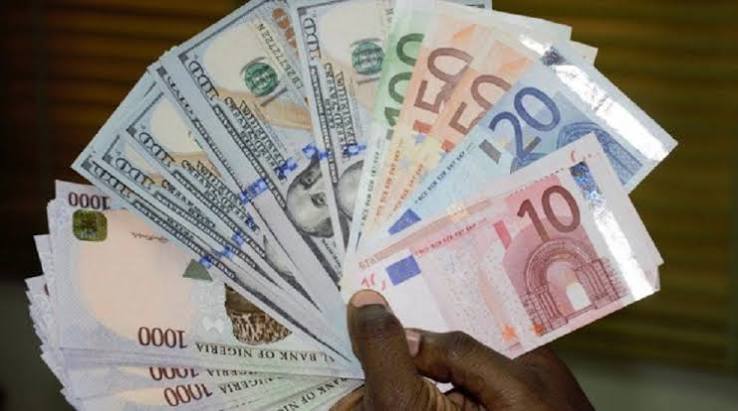
Nigeria’s external reserves have surged $7.09 billion, or 15.6 per cent, to a record $52.66 billion in 2026, strengthening the Central Bank of Nigeria’s (CBN) firepower to support the naira just as the US dollar slides to a five-month low in global markets.
The latest CBN data showed reserves rising from $45.57 billion on January 2 to $52.66 billion on August 19, adding a substantial external buffer for the country’s foreign exchange market and improving confidence in the naira.
The reserve build-up has accelerated since the second quarter after an earlier dip. Reserves fell $855 million between April 1 and May 7, from $49.18 billion to a low of $48.33 billion.
Since that low, however, the stockpile has recovered strongly, gaining about $4.33 billion in just over three months.
Reserves crossed $50 billion in early June, reached $51.06 billion on June 19 and moved above $52 billion in July. Between August 3 and August 19 alone, the balance increased by about $715 million, from $51.94 billion to $52.66 billion.
The stronger reserve position has coincided with improved foreign exchange liquidity and a firmer naira.
The naira traded around N1,346.90/$ at the Nigerian Foreign Exchange Market (NFEM) on August 21, after moving through the N1,350/$ level earlier in the month and reaching some of its strongest levels in several months.
The currency is also receiving support from weakness in the global dollar market.
The US Dollar Index fell to 98.88, down 0.1 per cent and close to its lowest level since mid-May, after losing almost 1 per cent in the previous week.
The weaker dollar provides an additional external tailwind for emerging-market currencies such as the naira by reducing broad-based dollar pressure and easing some of the foreign-exchange burden associated with dollar-denominated imports.
The domestic improvement has also been supported by higher oil earnings and stronger external inflows.
Dr Jerry Igwilo, Chief Executive Officer of Nisela Capital, attributed part of the reserve accumulation to stronger crude oil prices amid the Iran-US conflict.
Higher oil prices, he said, have increased the amount of foreign currency generated from Nigeria’s crude exports.
Dr Muda Yusuf, Chief Executive Officer of the Centre for the Promotion of Private Enterprise, also linked the reserve build-up to stronger investor confidence, portfolio inflows and improved export performance.
The combination of higher reserves, improved FX supply and attractive domestic yields is strengthening the relative appeal of naira assets.
Nigeria’s tight fixed-income market remains another support factor, with high yields offering foreign and domestic investors incentives to maintain exposure to naira-denominated assets.
The CBN has meanwhile maintained a tight monetary stance. At its July 20 and 21 meeting, the Monetary Policy Committee retained the Monetary Policy Rate at 26.5 per cent, while keeping the Cash Reserve Ratio at 45 per cent for commercial banks and 16 per cent for merchant banks.
The Standing Facilities Corridor remained at +50/-450 basis points around the MPR, while the CRR on non-TSA public-sector deposits was retained at 75 per cent.
However, the naira’s improving outlook still faces external risks.
US-Iran tensions could trigger renewed safe-haven demand for the dollar, while shifts in Federal Reserve policy expectations could quickly alter global capital flows into emerging markets.
The US Treasury has also been increasing long-end bond buybacks in an effort to manage rising Treasury yields, while markets remain alert to the impact of fresh US sanctions on Iran.
For Nigeria, the stronger reserve position provides greater protection against such shocks and increases the CBN’s capacity to smooth volatility in the FX market.
The key test will be whether the reserve build-up can be sustained through higher oil earnings, stronger non-oil exports and stable capital inflows.
For now, however, the combination of $52.66 billion reserves, improved FX liquidity and a weakening global dollar has materially strengthened the near-term outlook for the naira and reduced the likelihood of abrupt currency pressure.
About The Author