Bonny Light tops $115 as Saudi pipeline shutdown stokes oil supply fears
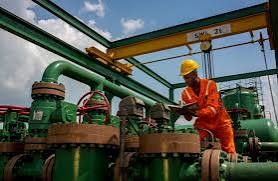
Nigeria’s Bonny Light crude has climbed above $115 a barrel as escalating tensions in the Middle East and the shutdown of Saudi Arabia’s strategic East-West pipeline tightened global oil supply concerns, raising the prospect of stronger export earnings for Nigeria even as higher energy prices threaten to deepen inflationary pressures at home.
The rally came after Saudi Arabia temporarily shut the 1,200-kilometre East-West pipeline following drone attacks, removing an important alternative route for moving crude without passing through the Strait of Hormuz. The pipeline normally transports between four million and five million barrels of oil a day.
Brent crude rose above $108 a barrel on Monday after gaining almost nine per cent over the previous week, as attacks on Saudi energy infrastructure and heightened risks around the Red Sea added to concerns about global supply.
The surge has provided additional support for Nigeria’s light, sweet crude grades, which typically attract a premium because of their relatively low sulphur content and suitability for several refineries.
For Nigeria, sustained prices above $100 a barrel could improve oil export earnings and government revenues, particularly as crude production has shown signs of recovery. Data from the Nigerian Upstream Petroleum Regulatory Commission showed that crude and condensate production averaged 1.678 million barrels per day in August, up 0.4 per cent from July, while crude-only output averaged 1.500 million barrels per day.
August marked the fourth consecutive month in which Nigeria met its OPEC crude production quota. Bonny Terminal was the largest producing stream at an average of 320,040 barrels per day, followed by Forcados at about 317,000 barrels per day. Qua Iboe, Escravos and Bonga were also among the leading producing streams.
The combination of stronger production and higher prices could improve the country’s external position by lifting export receipts and increasing the naira value of crude earnings. It could also provide additional fiscal space for a government still carrying substantial debt-service and financing obligations.
However, the benefit is not unqualified. Higher international crude prices can increase domestic petrol and diesel costs in a deregulated downstream market, putting pressure on transportation, logistics, electricity generation and food prices.
The global oil shock is already feeding into financial markets, with rising energy prices heightening inflation concerns and pushing up government bond yields in major economies. US 10-year Treasury yields, for instance, moved to 5 per cent amid the latest oil-driven inflation fears.
The market is also watching developments around the Strait of Hormuz and Bab el-Mandeb, both critical routes for global energy shipments. Planned talks involving Iran and Gulf states on a temporary shipping corridor through Hormuz were postponed, while Houthi activity around the Red Sea has added another layer of risk to energy and commodity flows.
China’s continued crude purchases are also supporting demand, while the reduction in Saudi export flexibility has increased the market’s sensitivity to any further supply disruption.
For Nigeria, the immediate opportunity lies in capturing the revenue windfall from higher crude prices while maintaining production gains and converting stronger oil receipts into reserves, fiscal stability and investment. The bigger risk is that a prolonged oil shock could feed back into the economy through higher fuel and transport costs, limiting the benefit of stronger export earnings to the wider population.
About The Author