Energia at 25: Indigenous energy firm targets 20,000bpd capacity, expands gas footprint
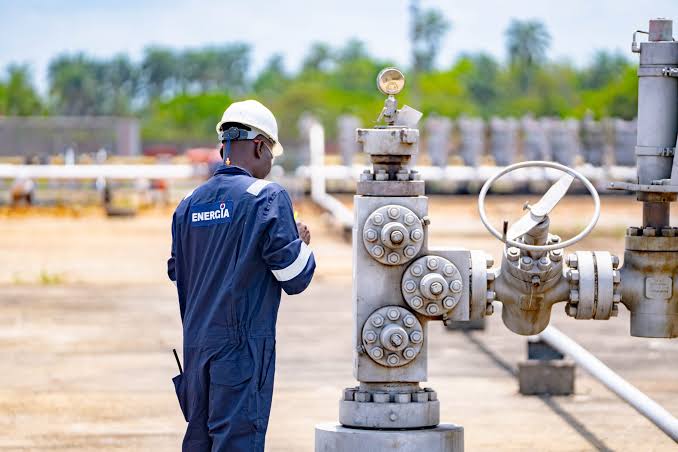
Energia, one of Nigeria’s foremost indigenous energy companies, has commenced activities to mark its 25th anniversary, celebrating a quarter-century of indigenous participation, operational growth and value creation in Nigeria’s oil and gas industry.
Established in 2001 by Nigerian oil and gas professionals, many of whom were core members of the Petroleum Technology Association of Nigeria (PETAN), Energia was founded to demonstrate the technical and operational capabilities of indigenous companies within the country’s energy sector.
Over the past 25 years, the company has evolved from an indigenous exploration and production firm into an integrated energy business with interests spanning crude oil production, gas processing, crude storage and export infrastructure.
A major milestone came in 2009 when Energia achieved first oil from the Ebendo/Obodeti field, setting the stage for sustained production and infrastructure expansion.
The company subsequently invested in field development, gas processing and production infrastructure. Between 2010 and 2013, Energia, in collaboration with Xenergi, installed a 25 million standard cubic feet per day (MMSCFD) gas processing plant, which reached pre-commissioning in December 2011.
In 2012, the company reprocessed its 3D seismic data, drilled and completed its first development well and achieved one million barrels of cumulative crude oil production.
Energia continued to expand its production and storage infrastructure, upgrading its flow station capacity in 2014 to 8,000 barrels of oil per day (bpd) and 25 MMSCFD of gas.
The company reached five million barrels of cumulative crude production in March 2016 and crossed the 10 million-barrel mark in 2020.
Since 2021, Energia has further strengthened its technical and operational capabilities through investments in a produced-water treatment plant, new 3D seismic acquisition and processing, as well as the successful drilling of two wells in the northern part of its field.
The company is now working towards increasing field capacity to 20,000bpd.
Beyond its existing upstream operations, Energia has also expanded its strategic footprint by securing interests in the Ugbo and Irigbo marginal fields.
It is also developing a 5,000bpd crude distillation unit at Onshore Kwale, Delta State, as part of its strategy to deepen participation across Nigeria’s oil and gas value chain.
Chairman of Energia, George Osahon, said the 25-year milestone reflected the contribution of the company’s founders, employees, host communities, partners and other stakeholders.
“Reaching 25 years is an important moment for Energia and a tribute to the vision, resilience and collective commitment of everyone who has contributed to the company’s journey,” he said.
According to him, the foundation built over the years would provide the platform for the company’s continued growth and responsible development.
Managing Director/Chief Executive Officer, Oladimeji Bashorun, said Energia’s next phase would focus on operational excellence, responsible energy development, innovation, strategic growth and stronger partnerships.
“Twenty-five years is a significant milestone in Energia’s journey, and it is an opportunity to reflect on the vision, determination, technical capability and partnerships that have shaped our growth,” Bashorun said.
He added that the company would build on its existing foundation while pursuing opportunities to contribute meaningfully to Nigeria’s long-term energy future.
The anniversary, themed “Honouring Energia’s Legacy. Shaping Tomorrow’s Energy,” will run through a five-month programme featuring activities highlighting the company’s milestones, employees, partnerships, community impact and contribution to Nigeria’s energy sector.
Energia said the programme would also provide a platform for stakeholder engagement and industry conversations on the future of energy.
The company has over the years undertaken community development initiatives in education, healthcare, infrastructure, youth development, agriculture and community welfare within its operating environment.
About The Author